

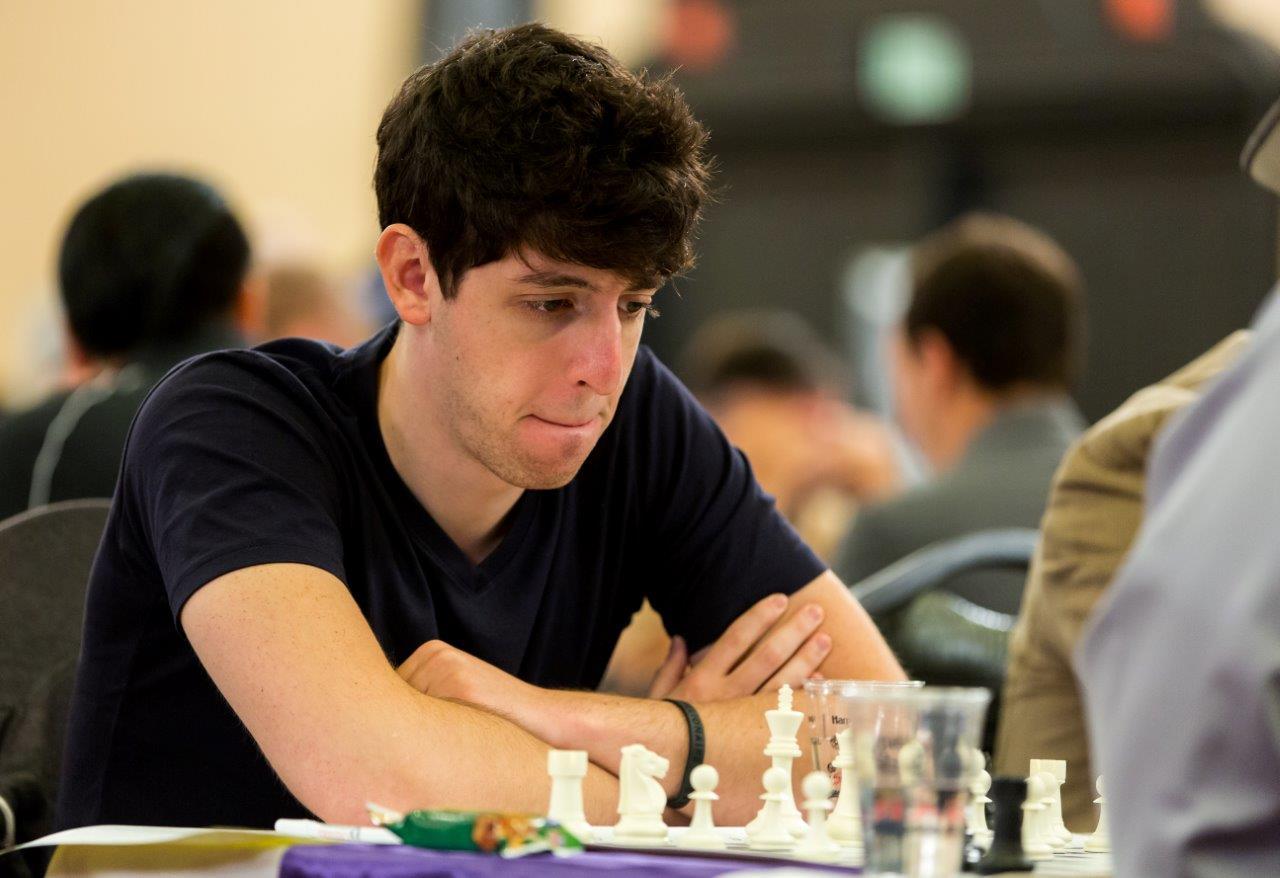
Positional Piece Sacrifices: From the Exchange to the Queen
Volume 1 of the series dealt with pawns. This one raises the stakes. In his short introduction Kavutskiy lays out the route: “We’re going to start with Exchange Sacrifices, which are definitely the most common Positional Sacrifices,” then move through piece sacrifices, piece versus pawns, rook sacrifices “and of course everyone’s favorite, Positional Queen Sacrifices.” The order makes sense — you meet the exchange sacrifice in almost every opening, while a true positional queen sacrifice appears only a few times in a career.
What links all positional piece sacrifices in the course is the kind of payment you get back: domination, a colour complex, the bishop pair, an open file, a passed pawn or a king that can never feel safe. The official Chess University curriculum mirrors the folder exactly — three chapters, a classics section, modern brilliancies and a bonus pack of annotated games and exercises. If you want the pawn half of the theme first, start with Positional Sacrifices Vol. 1: Pawns; both volumes are listed in our chess courses list.
| Course Fact | Details |
|---|---|
| Instructor | IM Kostya Kavutskiy |
| What is sacrificed | The exchange, minor pieces, rooks and the queen (pawns are in Vol. 1) |
| Video | 15 videos · 5h 11m total — the longest single lesson is the 47-minute classics tour |
| Chapters | Exchange sacrifices (6 parts) · Minor-piece sacrifices (2) · Heavy-piece sacrifices (3) |
| Practice | 20 practical exercises (PGN) with a separate solutions file |
| Study files | PGN for every lesson, bonus annotated games PGN, key-concepts summary PDF |
| Level | Club players to experts who are comfortable reading master games |
| Publisher | Chess University |
What Positional Piece Sacrifices Buy You
A fast tour of the classics
The course opens with a 47-minute sweep through famous positional sacrifices, deliberately kept to “around 60 to 90 seconds” per game so you see the key idea without a full replay. It starts with Tarrasch’s 1887 rook sacrifice on f3, now a standard theme in the French Defence, and includes Polugaevsky’s rook sacrifice against Torre, where a single pawn on e7 shuts Black’s kingside pieces out of the game.
Six faces of the exchange sacrifice
Chapter 1 is the heart of the course. The thematic Rxf6 in Scheveningen-type Sicilians comes first, then domination: Petrosian’s trademark exchange sacrifices and Kasparov’s Rxb7 against Shirov from 1994. Keres’ …Be5, fighting for the dark squares instead of saving the rook, leads the colour-complex lesson, followed by Carlsen giving up the exchange to own every light square. The bishop-pair lesson shows two bishops and a pawn outplaying rook and knight even in a closed position, and the endgame part includes a Capablanca ending where the king and knight take over after …Rxd4. The chapter closes with double exchange sacrifices, from Timman vs Van Wely to Shirov’s two rook offers against Lautier.
Minor pieces: open files and piece versus pawns
Chapter 2 separates true positional piece sacrifices — a knight or bishop given up to open a file or fix the structure — from the more common piece-for-two-pawns trade. Botvinnik’s Nxf5 against Pachman in a King’s Indian is the model for the second type of positional piece sacrifices, and it comes with a practical rule: when you have the pawns, don’t push them until you can support the advance.
Rooks and queens: how to judge a big investment
True positional rook sacrifices are rare, and the course says so. Kavutskiy shows that they almost always come with passed pawns or with such restriction of the enemy pieces that an attack follows later — Karpov’s pawn on e7 against Hübner is the main example. The queen lessons are the most practical part of the chapter: since you can never calculate a queen sacrifice to the end, he gives you the elements to look for when you evaluate one. The last part, queen versus two minor pieces, opens with Nezhmetdinov’s famous Qxf6, where bishop and knight dominate thanks to the d5 square and the target on f6.
Modern brilliancies
The final lesson asks which elite player has produced the most interesting exchange sacrifices in recent years, and answers Levon Aronian — starting with the exchange sacrifice on f3 that he prepared at home in a Queen’s Gambit Declined for his 2011 game against Anish Giri. Nakamura and Carlsen games show how today’s top players use the same patterns from the classics section.
Positional Piece Sacrifices: Full Course Index
Video Lessons
- Introduction — the two-volume plan (1:20)
- The Classics — positional sacrifices through chess history (47:44)
- Chapter 1.1 — Exchange sacrifices: thematic motifs (16:27)
- Chapter 1.2 — Exchange sacrifices: domination and restriction (13:32)
- Chapter 1.3 — Exchange sacrifices: colour complex (17:26)
- Chapter 1.4 — Exchange sacrifices: the bishop pair (23:45)
- Chapter 1.5 — Exchange sacrifices in the endgame (21:11)
- Chapter 1.6 — Double exchange sacrifices (22:01)
- Chapter 2.1 — Minor-piece sacrifices: open files (28:27)
- Chapter 2.2 — Minor-piece sacrifices: piece vs. pawns (26:04)
- Chapter 3.1 — Heavy-piece sacrifices: rook sacrifices (18:59)
- Chapter 3.2 — Heavy-piece sacrifices: queen sacrifices (22:29)
- Chapter 3.3 — Queen vs. two minor pieces (19:53)
- Modern Brilliancies (31:27)
- Conclusion (1:05)
Practice · 20 Exercises
- Practical Exercises (PGN)
- Practical Exercises — Solutions (PGN), with the rest of each game played out
Study Files
- One PGN per lesson — Classics, all eleven chapter parts and Modern Brilliancies
- Additionally Annotated Games (PGN) — bonus examples not shown on video
- Overview of Key Concepts and Summary (PDF)
- Total package: 173.5 MB
Who Should Study Positional Piece Sacrifices
- Players who already know Vol. 1 and want the material sacrifices that go beyond a pawn.
- Sicilian, French and King’s Indian players — the thematic exchange sacrifices in Chapter 1 come straight from these openings.
- Positional players who freeze at “the exchange” and need a clear framework for when rook-for-minor-piece is worth it.
- Fans of Petrosian, Kasparov and Aronian who want their signature sacrifices explained in context.
If the exchange sacrifice is the only theme you care about, a narrower course such as The Art of the Exchange Sacrifice goes deeper on that single idea. Beginners will get more from a general sacrifice course before this one.
- Covers every type of positional piece sacrifice, from the exchange to the queen
- Six lessons on the exchange sacrifice alone, each with a different kind of compensation
- PGN for every lesson plus bonus annotated games
- 20 exercises with solutions that show how the games continued
- Practical evaluation advice for queen sacrifices you cannot fully calculate
- The 47-minute classics lesson moves quickly — about a minute per game
- Exercises are in one PGN at the end, not after each chapter as in Vol. 1
- Minor-piece chapter has only two lessons
Vol. 2 FAQ
Can I start with Vol. 2 without Vol. 1?
Yes. The two volumes share a format but not material. Vol. 1 is about positional pawn sacrifices; this volume starts fresh with the exchange and goes up to the queen. Some recurring themes — colour complexes, domination, open lines — will feel familiar if you have seen both.
Which positional piece sacrifices get the most attention?
The exchange sacrifice. It has six of the eleven chapter lessons, because, in the coach’s words, it is the most common positional sacrifice you will meet over the board.
What do I receive and how fast?
15 MP4 lessons, a PGN for each lesson, the bonus annotated games, the exercise and solution PGNs and a summary PDF. Digital files. Crypto payment only. Fast delivery is handled manually after payment confirmation. Download links remain available for 7 days; save your files locally.
Positional piece sacrifices are where strategy and courage meet, and this volume gives them a clear structure: what you give, what you get back and how long you can wait for it. The exchange-sacrifice chapter alone is worth the study time, and the queen lessons offer a rare, honest method for judging sacrifices you cannot calculate to the end.
For the full picture take both volumes together, and look at the coupons page before you order.
Browse the category: Chess Courses · Chess Courses Cheap List
New releases: Courses On Budget updates
Official course page: courses.chessuniversity.com
Background reading: The exchange (chess) on Wikipedia
Recommended sacrifice stack:


Reviews
There are no reviews yet.